KIMS Fertility Centre in vitro maturation IVM treatment

In-vitro Maturation (IVM)

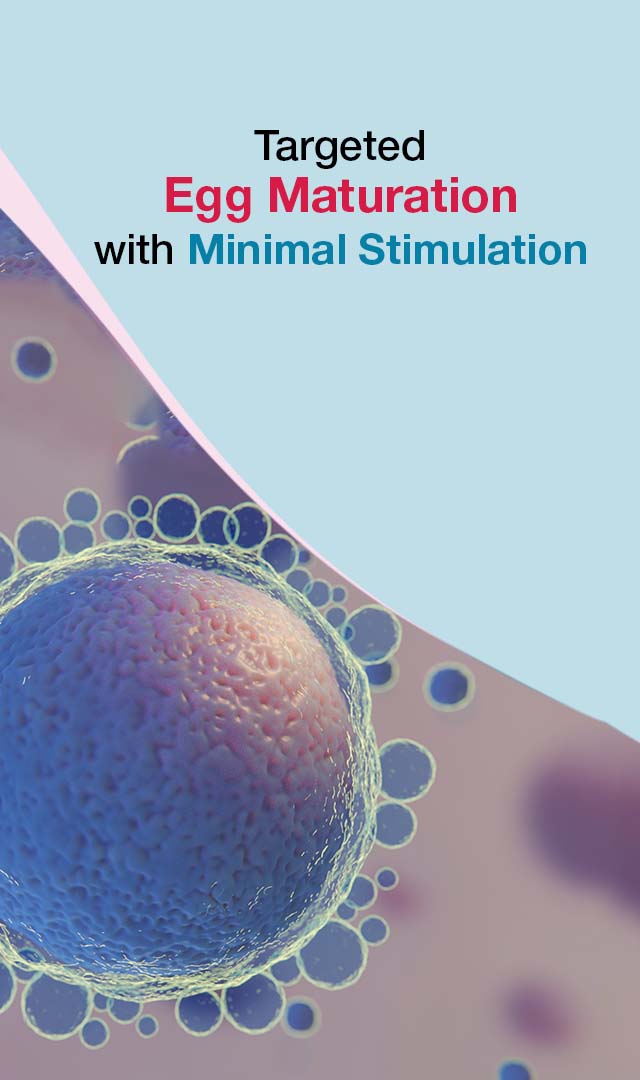
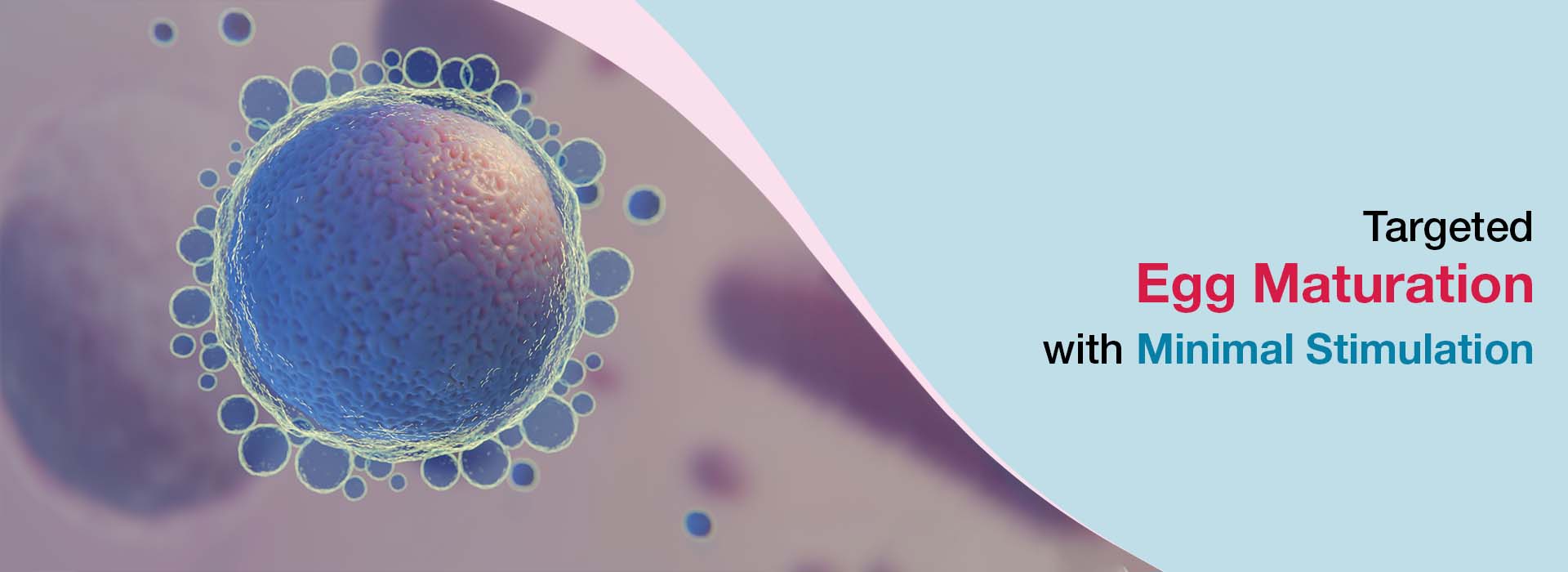
Unlike traditional IVF, where women are given hormone injections to stimulate the ovaries to release mature eggs, IVM allows us to collect eggs at an earlier stage of development. These eggs are then matured outside the body in a controlled laboratory environment. Once matured, they can be fertilised with sperm and grown into embryos for transfer into the uterus.

IVM offers a more natural approach with fewer medications, making it suitable for women who are sensitive to hormones or have conditions such as polycystic ovarian syndrome (PCOS).

Book An Appointment

Benefits

  • Lower Hormone Load: Fewer injections needed compared to IVF.
  • OHSS Prevention: Safer for women at risk of Ovarian Hyperstimulation Syndrome.
  • Good for PCOS: Useful when ovaries are very sensitive to stimulation.
  • Fertility Preservation: Can retrieve and mature eggs even before urgent medical treatments.

Preparation and Process

  • Initial Consultation: Doctor will assess suitability based on cycle and health profile.
  • Minimal Stimulation: May receive a light dose of hormones, but usually no heavy injections.
  • Healthy Lifestyle: Scans help track follicle growth and timing for retrieval.
  • Track Menstrual Cycle: Hormonal levels are checked to confirm timing of egg collection.
  • Stay Relaxed: Follow a healthy lifestyle to support egg development.

The Process

IVM involves fewer steps than conventional IVF. The treatment begins without the need for heavy hormone stimulation. A short course of minimal or no fertility drugs may be given to lightly stimulate the ovaries. Immature eggs are then collected through a short procedure under ultrasound guidance.

Once retrieved, these eggs are placed in a nutrient-rich culture medium in the laboratory, where they are monitored as they mature over 24-48 hours. Once the eggs are mature, they are fertilised using IVF or ICSI, and the resulting embryos are cultured for transfer.

Embryo transfer takes place a few days later, just as in traditional IVF. Remaining embryos can be frozen for future use.

General Success Rate

  • Fertilisation rate: around 60-70% of matured eggs
  • Pregnancy rates per embryo transfer: 25-40%, depending on age, egg quality and lab expertise
  • Best results are seen in women under 35 with high antral follicle counts (especially in PCOS cases)

Our Doctors

Fertility Doctors in Andhra Pradesh, Telangana & Maharashtra
Dr. Padam Kanaka Mahalakshmi
Consultant Fertility Specialist
Dr. M. Kavya Meghana
Fertility Specialist, Clinical Embryologist, Cosmetic Gynaecologist & Laparoscopic Surgeon
Doctor Profile
Dr. Y. Manoj Kumar
Andrologist, Senior Consultant Urologist, Infertility Specialist, Laparoscopic & Transplant Surgeon
Dr. Sireesha Gurijala
Consultant Fertility Specialist
Dr. I Naga Prathyusha
Consultant Fertility Specialist, Advanced Reproductive & Laparoscopic surgeon
Doctor Profile
Dr. Pentyala Srikanth
Consultant Andrologist & Urologist
Dr Nimma Pooja Reddy
Dr. Nimma Pooja Reddy
Consultant Fertility Specialist and Laparoscopic surgeon
Dr. Sindhura Bandi
Dr. Sindhura Bandi
Consultant Fertility Specialist in Reproductive Regenerative Medicine
Doctor Profile
Dr. Bokka Sri Harsha
Microsurgical Andrologist, Consultant Urologist, Laser, Laparoscopic & Renal Transplant Surgeon
Dr. Pala Keerthi
Dr. Pala Keerthi
Consultant Fertility Specialist in Reproductive Medicine
Dr. Jyotsna Nekkala
Dr. Jyotsna Nekkala
Consultant Fertility Specialist and Laparoscopic Surgeon
Doctor Profile
Dr. Murali Krishna Padyala
Consultant Andrologist, Urologist, Renal Transplant Specialist & Laparoscopic Surgeon
Dr. Paayal Agrawal
Dr. Paayal Agrawal
Consultant Fertility Specialist and Laparoscopic surgeon
Dr. Arti Patil
Dr. Arti Patil
Consultant Fertility Specialist and Laparoscopic surgeon
Dr. Rita Bang
Dr. Rita Bang
Consultant Fertility Specialist and Laparoscopic surgeon

Why Choose Us?

At KIMS Fertility IVF Centre, we understand that one approach does not fit all. Our team includes some of the best fertility doctors who assess each case individually. We offer IVM to patients who will benefit most- especially those with PCOS or other hormone-sensitive conditions.

Our laboratory facilities are equipped with state-of-the-art equipment to support delicate procedures like IVM. We provide a supportive and transparent treatment environment, ensuring you understand every step. KIMS Fertility IVF Centre is known not just for its success rates, but also for its commitment to responsible and patient-centred care.

Ovulation Infographic

Frequently Asked Questions

How is IVM different from traditional IVF?
×
In IVM, eggs are retrieved while still immature and matured in the lab. In conventional IVF, eggs are matured in the body using fertility injections.
Is IVM suitable for everyone?
+
No. IVM is best for women with PCOS or those who cannot undergo hormone stimulation. Your fertility doctor will help decide if it's right for you.
Are the success rates of IVM lower than IVF?
+
Success rates can be slightly lower than IVF, but for selected patients, especially those with PCOS, the risks are reduced, making it a favourable option.
Is the egg retrieval process painful?
+
Egg retrieval in IVM is a short procedure done under sedation. Recovery is quick, and discomfort is minimal.
Can I freeze embryos after IVM?
+
Yes, embryos created through IVM can be frozen for future use, just like in conventional IVF.
How long does the IVM cycle take from start to finish?
+
An IVM cycle is usually shorter than a conventional IVF cycle. It typically takes 10–14 days from the start of monitoring to embryo transfer, depending on how quickly the eggs mature in the lab.
Is IVM safe for women with a history of hormonal sensitivity or cancer?
+
Yes. IVM is particularly suitable for women who need to avoid high hormone exposure, including those with hormone-sensitive conditions or those requiring urgent fertility preservation before cancer treatments.
Will I need bed rest after the embryo transfer?
+
Not necessarily. You can resume light daily activities shortly after the embryo transfer. However, we advise avoiding intense exercise, stress and travel for a few days. Your doctor will guide you based on your specific case.
Why is IVM done?
+
In-vitro Maturation is typically recommended in the following situations:
  • Women with PCOS who are at high risk of Ovarian Hyperstimulation Syndrome (OHSS)
  • Patients who cannot or do not wish to undergo traditional hormonal stimulation
  • Women requiring urgent fertility preservation, such as those about to undergo cancer treatment
  • Young women with a strong ovarian reserve who respond rapidly to even low stimulation
  • By using IVM, we can avoid excessive hormone use while still enabling embryo creation for immediate use or future preservation.

Book an Appointment Call Us
Free Second Opinion
WhatsApp Chat