Our Doctors
Fertility Doctors in Andhra Pradesh, Telangana & Maharashtra
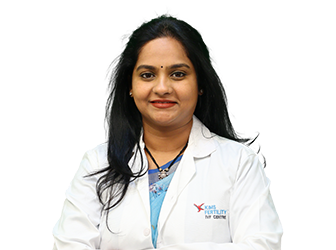

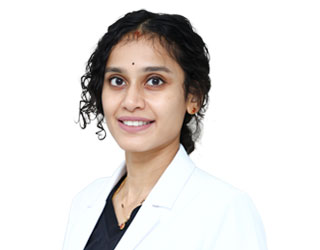
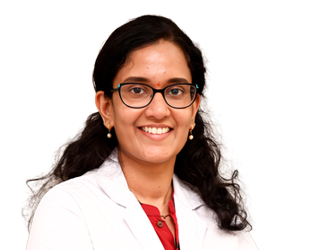

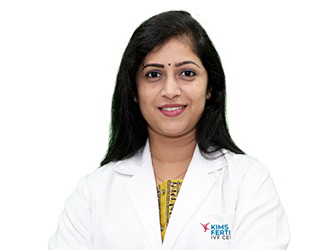
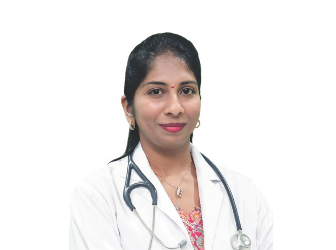

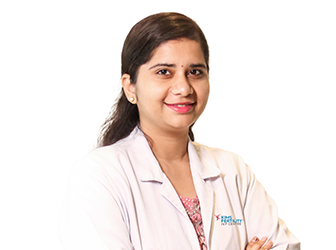
Dr. M. Kavya Meghana
Fertility Specialist, Clinical Embryologist, Cosmetic
Gynaecologist & Laparoscopic Surgeon
Female infertility refers to difficulty achieving pregnancy because of factors affecting ovulation, egg quantity or quality, fallopian tubes, uterus or other aspects of reproductive health. Fertility declines with age, particularly because of changes in ovarian reserve and egg quality.
A detailed assessment identifies the underlying cause and helps determine the appropriate treatment, ranging from medication and surgery to IUI/IVF for Female Infertility.
A fertility evaluation is recommended after 12 months of regular unprotected intercourse without pregnancy when the woman is under 35. Evaluation should begin after six months when the woman is 35 or older, and earlier when there are known fertility problems or risk factors.
Common Causes of female infertility include:
Infertility itself does not always produce symptoms. Associated signs include irregular or absent periods, painful menstruation, pelvic pain, pain during intercourse, abnormal menstrual bleeding and symptoms associated with hormonal disorders. Previous pelvic infections, reproductive surgery or conditions such as Endometriosis also warrant fertility assessment.
Diagnosis & Tests evaluate ovulation, ovarian reserve, reproductive anatomy and other factors affecting conception.
Ovulation and Hormonal Assessment
Blood tests assess reproductive hormones and ovarian reserve. AMH, follicle-stimulating hormone and
estradiol provide information about ovarian function, while cycle tracking and ultrasound assess ovulation
and follicular development.
Ovarian Reserve Assessment
AMH testing and antral follicle count help assess ovarian reserve. Low AMH indicates reduced ovarian reserve
but does not independently determine whether pregnancy is possible. Age, egg quality and other fertility
factors must also be considered.
Pelvic Ultrasound
Transvaginal ultrasound evaluates the ovaries and uterus and identifies findings such as ovarian cysts,
fibroids, polyps, adenomyosis and features associated with PCOS.
Fallopian Tube Assessment
Tests such as hysterosalpingography or HyCoSy evaluate whether the fallopian tubes are open. Blocked
Fallopian Tubes prevent sperm and egg from meeting naturally and influence the choice of
fertility
treatment.
Uterine Assessment
Ultrasound, saline infusion sonography or hysteroscopy is used when an abnormality of the uterine cavity
requires further evaluation.
Additional Investigations
Depending on the medical history, evaluation includes thyroid testing, infection screening, genetic
investigations and assessment for Endometriosis or other reproductive disorders.
Female infertility refers to difficulty achieving pregnancy because of factors affecting ovulation, egg quantity or quality, fallopian tubes, uterus or other aspects of reproductive health. Fertility declines with age, particularly because of changes in ovarian reserve and egg quality.
The Doctor reviews menstrual history, previous pregnancies, medical and surgical history, fertility duration, medications and previous investigations.
Ovarian reserve, ovulation, tubal patency and uterine anatomy are assessed through blood tests, ultrasound and other investigations according to individual requirements.
The fertility team determines whether infertility is related to PCOS, Endometriosis, tubal disease, reduced ovarian reserve, uterine abnormalities, age-related factors or Unexplained Infertility.
Treatment Options are selected according to the diagnosis. These include ovulation medicines, hormonal treatment, surgery for selected conditions and fertility-preservation strategies.
When ovulation and tubal function are suitable, ovulation induction with timed intercourse or intrauterine insemination is considered.
When IUI is unsuitable or unsuccessful, IUI/IVF for Female Infertility provides an assisted reproductive option. IVF involves ovarian stimulation, egg retrieval, laboratory fertilisation, embryo culture and embryo transfer.
Treatment Options depend on the cause, age, ovarian reserve, duration of infertility and previous treatment.
PCOS and other ovulation disorders are managed with lifestyle measures and ovulation-inducing medicines when appropriate. Treatment is monitored to assess follicular development and ovulation.
Endometriosis-associated infertility is managed according to disease severity, age, ovarian reserve and reproductive goals. Selected patients require surgical treatment, while fertility treatment such as IUI or IVF is considered according to the clinical situation.
Blocked Fallopian Tubes prevent normal sperm-egg interaction. Selected tubal conditions require surgical treatment, while IVF bypasses the fallopian tubes and provides an alternative route to fertilisation.
Low AMH and Diminished Ovarian Reserve require timely assessment because the number of available eggs is reduced. Treatment focuses on achieving pregnancy efficiently based on age, ovarian response and reproductive goals. IVF is considered when appropriate.
In Unexplained Infertility, standard testing does not identify a specific cause. Treatment is based on age, duration of infertility and previous treatment and includes ovulation stimulation with IUI or IVF.
IUI is considered when ovulation and at least one functioning fallopian tube are present and sperm can reach the reproductive tract. IVF is considered when tubal disease, reduced ovarian reserve, significant Endometriosis, repeated unsuccessful IUI or other factors make IVF more appropriate.
Follow-up depends on the treatment performed. After ovulation induction or IUI, pregnancy testing is
scheduled after the appropriate interval. Following IVF, hormone support is prescribed when indicated and a
pregnancy test is performed approximately two weeks after embryo transfer.
A positive result is followed by serial beta-hCG testing when required and an ultrasound to confirm
pregnancy location and early development. Patients then transition to routine antenatal care.
The Success Rate of Female Infertility Treatment depends on age, ovarian reserve, egg quality, sperm
quality, embryo development, uterine health, infertility diagnosis and the treatment used.
Age is especially important because egg quality declines with advancing age, increasing the risk of
chromosomal abnormalities and reducing the likelihood of pregnancy. Ovarian reserve tests provide
information about egg quantity but do not directly measure egg quality.
For assisted reproduction, the fertility Doctor assesses the complete clinical profile before discussing
expected treatment outcomes.
KIMS Fertility IVF Centre provides evaluation and treatment across different causes of female infertility,
including ovulation disorders, tubal disease, Endometriosis and reduced ovarian reserve.
Services include:
Treatment is selected according to the underlying diagnosis, reproductive age, ovarian reserve and treatment history.
Preparation includes the appropriate Diagnosis & Tests, such as:
Both partners should undergo appropriate fertility evaluation because infertility can involve female and male factors simultaneously.
Maintain a healthy body weight, eat a balanced diet, exercise regularly and maintain adequate sleep. Stop tobacco and recreational drug use and avoid alcohol during fertility treatment.
Medical conditions such as diabetes and thyroid disorders should be appropriately controlled. Prescription medicines, supplements and previous fertility treatments should be discussed with the fertility Doctor before starting a new treatment cycle.
The Cost depends on the diagnosis, treatment selected and investigations required. Factors contributing to the overall bill include:
The final treatment cost is determined after assessment because a patient requiring ovulation induction has a different treatment pathway from someone requiring IVF, surgery or advanced reproductive procedures.
KIMS Fertility IVF Centre provides fertility services across centres in Hyderabad, Vizag, Guntur, Kurnool and Nagpur.
4th Floor, Road No. 2, Banjara Hills, Opp. Park Hyatt, Hyderabad, Telangana – 500034
D/No: 1-113-20/1, MVP Colony, Ushodaya Junction, Opp. Kidz Garden Public School, Vizag, Andhra Pradesh – 530017
Yadavalivari Street, lane beside HDFC Bank, Kothapet, Guntur District – 522001
Survey No. 560/2, 560/2B, beside Skandanshi Office, Birla Guest House, Kurnool
1st Floor, KIMS Kingsway Hospital, Kingsway Road, Mohan Nagar, Nagpur, Maharashtra – 440001
Every woman's fertility is unique and influenced by multiple factors - from hormone balance to ovarian health and age.
At KIMS Fertility IVF Centre, our specialists assess how these factors affect reproductive potential using advanced diagnostics like ovulation tracking, hormonal profiling and ultrasound imaging.
Infertility in women may stem from:
Our focus is on identifying the root cause early so that treatment can be precise, effective and minimally invasive.
Our comprehensive fertility evaluation includes:
These investigations help our team design a plan that aligns with your health, lifestyle and pregnancy goals.
Depending on your diagnosis, we offer evidence-based treatments such as:
Our goal is to empower every woman with science-driven, compassionate fertility care.
Fertility Doctors in Andhra Pradesh, Telangana & Maharashtra
With over 15 years of experience helping couples achieve their family-oriented goals, we at KIMS Fertility IVF Centre aim to provide patient-centric treatment approaches. Our team has shown high success rates for IUI treatments. We believe in providing evidence-based solutions as we believe it is our duty to provide a safe, supportive and effective path towards parenthood. Come to KIMS Fertility IVF Centre, as we have the best fertility doctors in our clinic!