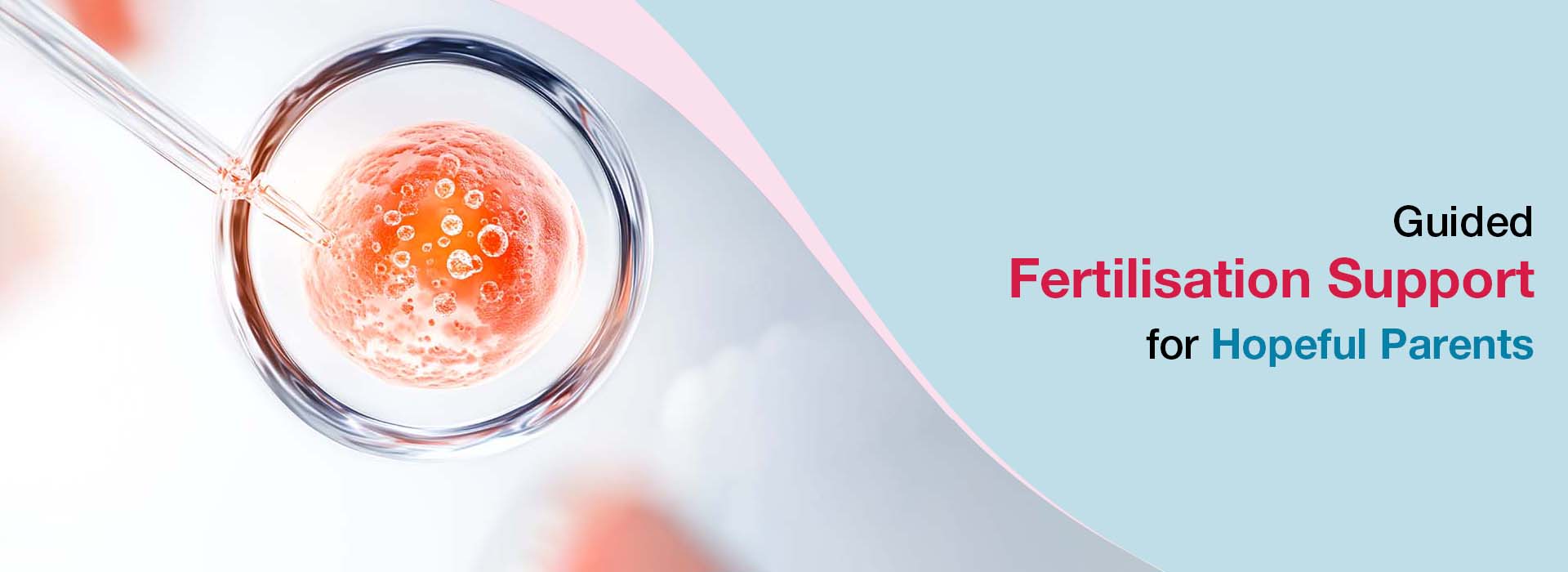
In vitro fertilisation (IVF) is an assisted reproductive technology in which eggs are retrieved from the ovaries and fertilised with sperm in a laboratory. The resulting embryos are cultured and a selected embryo is transferred into the uterus. IVF may be used for female, male, combined or unexplained infertility and for specific reproductive conditions.
IVF is considered when pregnancy is unlikely to occur through natural conception or when other fertility treatments have not achieved pregnancy. Common indications include:
The decision to proceed with IVF is based on the couple’s fertility assessment, reproductive history, age, ovarian reserve, sperm parameters and previous treatment outcomes.
The process begins with a detailed evaluation of both partners. This can include ovarian reserve testing, ultrasound, hormonal investigations, semen analysis, assessment of the uterus and fallopian tubes, and other tests based on the medical history.
Hormonal medicines stimulate the ovaries to develop multiple mature follicles. Ultrasound scans and hormone testing monitor follicular growth and help determine the appropriate time for egg retrieval.
Once the follicles reach the required stage of development, a trigger injection is administered. Eggs are retrieved through a minimally invasive procedure performed under sedation.
Retrieved eggs are fertilised with sperm in the laboratory using conventional IVF or ICSI when indicated. Fertilised eggs develop into embryos, which are monitored for several days by embryologists.
A suitable embryo is selected for transfer based on its development and clinical assessment. The embryo is placed into the uterus using a thin catheter. Suitable remaining embryos can be cryopreserved for future use.
A blood test is performed approximately 12–14 days after embryo transfer to determine whether implantation has resulted in pregnancy.
Congratulations! A positive blood pregnancy test confirms biochemical pregnancy and requires follow-up testing to assess the progression of hCG levels. Once the pregnancy reaches the appropriate stage, an ultrasound is performed to confirm the location of the pregnancy, gestational sac and fetal heartbeat.
Prescribed hormonal support is continued according to the fertility specialist’s instructions. Once the pregnancy is established, care transitions into routine antenatal management.
Age is one of the strongest factors affecting IVF outcomes - more so when a woman uses her own eggs. Ovarian reserve, egg quality, sperm quality, embryo development, infertility diagnosis and previous IVF history influence the outcome majorly. National ART data consistently demonstrate declining success with increasing maternal age.
Female fertility declines progressively after 35, with increasing rates of chromosomal abnormalities and reduced ovarian reserve contributing to lower IVF success. Patients aged 35 and above benefit from timely fertility assessment and treatment planning. Ovarian reserve, embryo development and genetic factors are assessed when determining the appropriate IVF strategy.
IVF after 40 requires careful assessment because ovarian reserve and egg quality decline significantly with age. The fertility evaluation should include ovarian reserve, uterine health and sperm assessment. Depending on the clinical situation, treatment may involve IVF with the patient’s own eggs, embryo testing, donor eggs or other appropriate reproductive options.
A negative pregnancy test does not automatically mean that another IVF cycle should begin immediately. The fertility specialist reviews the complete treatment cycle to identify factors that may have affected the outcome.
Common IVF Failure Reasons include:
The doctor may review the stimulation response, number and quality of eggs retrieved, fertilisation rate, embryo development, endometrial preparation and transfer details before recommending the next step.
A Second IVF Cycle may be considered after reviewing the outcome of the first cycle and addressing any identified factors. The appropriate timing depends on the patient’s physical recovery, ovarian reserve, menstrual cycle, emotional readiness and treatment findings.
A second cycle could hence use a modified stimulation protocol, different fertilisation approach, frozen embryo transfer, additional investigations or another treatment strategy. A previous unsuccessful cycle should be analysed before repeating the same protocol.
KIMS Fertility IVF Centre provides fertility evaluation and assisted reproductive treatment through a dedicated fertility team. Our spectrum of IVF services include ovarian stimulation, egg retrieval, embryo culture, embryo transfer, ICSI, cryopreservation, genetic testing and other procedures based on clinical requirements. Key advantages include:
KIMS Fertility currently operates centres in Banjara Hills, Hyderabad, Vizag, Guntur, Kurnool and Nagpur.
IVF is a medically supervised treatment, but it carries potential risks. These include ovarian hyperstimulation syndrome (OHSS), bleeding or infection following egg retrieval, complications related to sedation, ovarian torsion, multiple pregnancy, ectopic pregnancy and cycle cancellation due to inadequate ovarian response.
The risk of multiple pregnancy increases when more than one embryo is transferred. Single-embryo transfer reduces this risk and is hence recommended in most cases.
Preparation begins with a complete fertility evaluation of both partners.
Depending on the clinical history, testing could include:
Our fertility specialist will determine which investigations are required before treatment.
Patients should maintain a healthy body weight, follow a balanced diet, exercise regularly, sleep adequately and avoid smoking, tobacco and recreational drugs. Alcohol should be avoided during fertility treatment. Existing medical conditions should be appropriately controlled, and all medicines and supplements should be disclosed to the fertility specialist.
The IVF Cost depends on the treatment plan rather than a single fixed procedure. Factors that influence the overall expense include:
A personalised cost estimate should be provided after the fertility evaluation because the investigations, medicines and laboratory procedures required differ between patients.
KIMS Fertility IVF Centre – Banjara Hills, Hyderabad 4th Floor, Road No. 2, Banjara Hills, Opp. Park Hyatt, Hyderabad, Telangana – 500034. KIMS Fertility also has centres in Vizag, Guntur, Kurnool and Nagpur, allowing patients to access fertility services across multiple locations.
The IVF process takes around 2-3 weeks per cycle and involves several steps:
IVF success rates vary depending on several factors, especially age:
While IVF is not a guarantee, it remains one of the most effective fertility treatments available today.
IVF Treatment Cost Starting from ?85,000 Onwards
Available at our Hyderabad, Vizag, Guntur, Kurnool, and Nagpur centres.
Book a consultation to know the complete treatment plan and cost details. The final cost may vary depending on the patient's condition, medications, and additional procedures required.
Fertility Doctors in Andhra Pradesh, Telangana & Maharashtra



 Hyderabad
 Vizag
 Guntur
 Kurnool
 Nagpur
At KIMS Fertility IVF Centre, we understand that IVF is not just a clinical process, but also an emotional and personal journey. As one of the best fertility centres, our specialists use international protocols, highly trained embryologists and state-of-the-art laboratories to provide the best chance of success.
We personalise every IVF cycle, explain each stage clearly, and ensure our patients feel supported throughout. Our success rates reflect both our technical excellence and our compassionate, ethical approach to fertility care.